Registration for the conference is officially open!
Please ensure you complete your registration at the registration desk and collect your badge to enjoy full access to sessions, networking events, and all conference activities.
This regulatory affairs section will focus on information sharing and discussion of the evolving nuclear regulatory landscape in Canada. This year’s theme is regulatory efficiency and will include presentations by Industry, the Canadian Nuclear Safety Commission, Impact Assessment Agency of Canada and the American Nuclear Energy Institute.
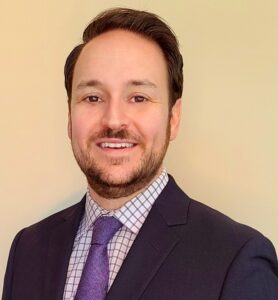
1. Industry Overview: Regulatory Priorities Briefing Book by Michael Rinker, Vice-President, Regulatory Affairs, Environment and Sustainability, Bruce Power
- Mike will provide an update on the industry’s Regulatory Priority Briefing Book and the recent Special Edition of the Briefing Book
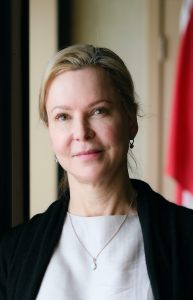
2. Advancing Regulatory Efficiency and Modernization at the Canadian Nuclear Safety Commission: Delivering a Modern, Risk‑Informed Regulatory Framework by Geneviève Boudrias, Director General, Regulatory Policy Directorate, CNSC
- The CNSC will present how it is advancing regulatory efficiency and modernization in its regulatory framework. The presentation places this work within the broader government and regulatory context and highlights concrete steps the CNSC is taking to modernize the framework and reduce unnecessary burden—without compromising safety. The session will also outline how the CNSC is engaging with interested parties, including the Industry, ENGOs, Indigenous Nations and the public to gather input and inform targeted efficiency improvements to the regulatory framework, while maintaining independence and ensuring decisions remain risk‑informed and transparent. Note that this presentation will be interactive, with live polling to gather your views.
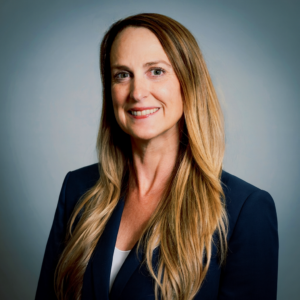
3. Impact Assessment Agency of Canada: Report on Regulatory Efficiency by Brent Parker, Director General, Panels, Regional Assessment and Consultation, IAAC
- Brent will provide an overview of how IAAC has undertaken regulatory streamlining and re-engineered its processes to ensure impact assessments are aligned with Government commitments
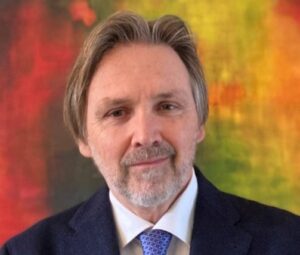
4. Perspectives on Regulatory Change in the United States, by Jennifer Uhle, Vice President of Technical and Regulatory Services, Nuclear Energy Institute
- Jennifer will update and provide perspective on the latest regulatory efficiency initiatives in the United States.
Note: Attending a Pre-Conference Seminar requires an additional fee for fully registered CNA2026 participants. During registration, all attendees will be prompted to select the seminar they wish to attend. If you have already registered, you can log in to the CNA2026 registration system to add a seminar under the “Additional Purchases” section.
Speakers



Effective nuclear communication requires more than strong messaging; it demands a clear understanding of public attitudes, an inclusive approach to engagement, and the ability to operate within real-world regulatory, social, and reputational constraints.
This seminar brings together multiple expert perspectives to examine how nuclear communicators can navigate today’s complex communications environment. The session will provide an overview of current public opinion polling and explore how attitudes toward nuclear energy are evolving across demographics and regions. Building on this foundation, the seminar will examine the role of GBA+ (Gender-Based Analysis Plus) and Social OPEX (social operating experience) in shaping trust, inclusion, and long-term public acceptance.
Lastly, the seminar will focus on the practical realities communicators face, including credibility and risk, and how to communicate effectively within these constraints.
Designed for communications professionals working across industry, government, and the broader nuclear ecosystem, this seminar offers insight into what the public thinks, who we are engaging, and how to communicate responsibly and effectively in practice.
Note: Attending a Pre-Conference Seminar requires an additional fee for fully registered CNA2026 participants. During registration, all attendees will be prompted to select the seminar they wish to attend. If you have already registered, you can log in to the CNA2026 registration system to add a seminar under the “Additional Purchases” section.
Speakers




Please join us for a traditional performance, an update on programs within industry that advance Indigenous inclusion, and the exploration of two examples demonstrating Indigenous partnership and engagement.
Indigenous Financing Models
Nikutik LP, the Sovereign Wealth Fund of the North Shore Mi’kmaq Tribal Council (NSMTC) and its seven member Nations, has proposed an Indigenous-Led Owner Consortium model for financing nuclear new builds. Financing, timelines for approvals, policy stability across administrations, and public acceptance are well-known challenges in the nuclear sector. The Indigenous-Led approach addresses the need for economic reconciliation while also bringing key pieces of solutions to each of these challenges. The model will be explained through the examples of two potential projects currently under consideration in New Brunswick.
Nuclear Waste Management – Engagement Approach to ILW
The NWMO has launched a two -year engagement process on their proposed approach to site selection for the second deep geological repository, a project designed to safely contain and isolate intermediate- and high-level radioactive waste. NWMO will use this input to refine and confirm their strong foundation of prior engagement with Indigenous Peoples and Canadians to inform their approach before launching the site selection process in 2028. Safety, willingness to learn, and reconciliation are at the core of NWMO’s mandate.
The NWMO will lead an interactive workshop to collect insight into engagement approaches with Indigenous peoples and communities that will contribute to the knowledge base guiding the next steps in the ILW DGR process.
Note: Attending a Pre-Conference Seminar requires an additional fee for fully registered CNA2026 participants. During registration, all attendees will be prompted to select the seminar they wish to attend. If you have already registered, you can log in to the CNA2026 registration system to add a seminar under the “Additional Purchases” section.
Speakers

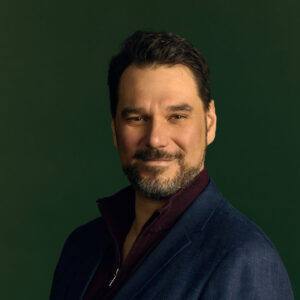
The Talent Collider is a networking event that brings together nuclear energy executives and post-secondary students in a “speed dating” format to foster meaningful career conversations. In this session, students rotate through a series of brief, focused discussions with industry leaders, gaining insights into career pathways, industry trends, and the skills necessary to succeed in Canada’s nuclear sector.
This interactive experience provides students with a unique opportunity to ask questions, build connections, and learn directly from experienced professionals. At the same time, executives have the chance to engage with the next generation of talent who will help shape the future of nuclear energy in Canada.
We encourage all conference attendees to visit the exhibitor booths and discover the numerous nuclear energy companies and organizations across Canada. This is an excellent opportunity to learn more about the innovations, services, and partnerships that are driving the industry forward.
This panel, co-led by the CNA and the UNB CREATE program, will explore the challenges the next generation faces as we strive to triple nuclear by 2050 and will share insights on how the industry can attract and support new talent. Speakers from a wide range of nuclear and nuclear-related career pathways will share their experiences, successes, and challenges in the industry, identifying lessons learned and useful tips for the next generation of nuclear workers. Participants in this session will hear perspectives from early-career professionals through to senior roles, working in areas such as nuclear law, communication, project management, environment, and more.
Join us for an exclusive reception that brings together professionals from the nuclear energy industry. This event is perfect for connecting with fellow experts, innovators, and leaders in a relaxed, engaging atmosphere. Whether reconnecting with old friends or forging new connections, this reception guarantees excellent conversations, delicious food, and a fun-filled experience.
Start your day off right with a hearty breakfast! We invite all conference attendees to enjoy a complimentary morning meal, perfect for fueling up before a full day of sessions and networking. Whether you’re in the mood for a hot cup of coffee, fresh pastries, or a healthy spread, we have something for everyone.
Don’t miss the opportunity to meet exhibitors, build valuable industry connections, and see firsthand the advancements powering Canada’s nuclear sector.
ABOUT THE DRUMMERS
SpiritWolf Singers is a group of local artists who share a deep love for drumming and singing and a passion for learning songs from across the powwow nation. The members of SpiritWolf consider each other family; they are brothers and cousins, descendants of survivors of the residential school system. They demonstrate their resilience by preserving the tradition of song. The group’s name originates from the Pikwakanagan First Nation in Ontario. They believe in the healing power of the drum and are committed to sharing its teachings now and in the future. SpiritWolf Singers have travelled throughout Canada, into the United States, and overseas to pursue their passion for music.
Join CNA President & CEO George Christidis and Board Chair Julianne den Decker to formally open CNA2026 and welcome attendees to this year’s gathering. Our speakers will provide an overview of the industry’s current state and outline the key themes that will guide our discussions over the coming days.
Speakers


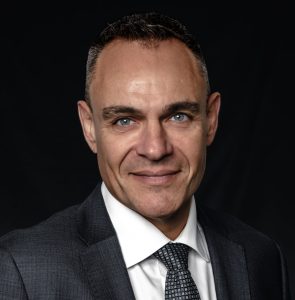
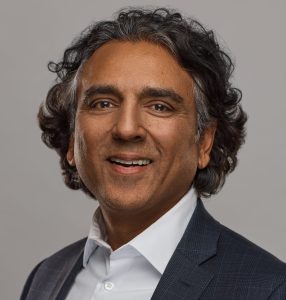
In this period of unprecedented growth and change for the nuclear industry, leadership matters more than ever. This session brings together the CEOs of Canada’s major nuclear utilities to examine the challenges and opportunities they are facing as they drive the industry forward. From executing major refurbishments and integrating new technologies to navigating regulatory frameworks and strengthening workforce pipelines, our panel will explore how our industry’s leadership is shaping the future of nuclear in Canada.
Speakers


The Canadian Nuclear Association is pleased to welcome the Honourable Tim Hodgson, Canada’s Minister of Energy and Natural Resources, to deliver opening remarks for CNA2026. Minister Hodgson will welcome delegates and share the federal government’s perspective on the role of nuclear energy in supporting Canada’s transition to clean energy, promoting economic growth, and ensuring energy security. His remarks will set the stage for discussions at CNA2026, emphasizing the importance of collaboration among government, industry, and partners in shaping the future of Canada’s clean energy economy.
Speaker
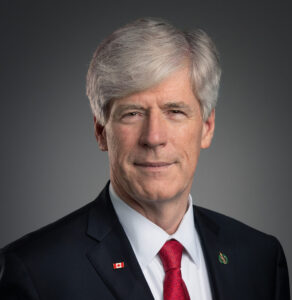
Take a break and reconnect during our morning session, where refreshments will be available. Enjoy fresh coffee, tea, and light snacks as you relax and network with fellow attendees.
The launch of Canada’s Centre for Fusion Energy (CFE) marks a major step toward integrating fusion into the country’s long-term energy and industrial strategy. This session explores what the CFE means for Canada’s broader goals of energy security, competitiveness, and climate commitments. Designed for a non-technical audience, the discussion focuses on national strategy and impact rather than specific technologies.
Key topics include how the CFE positions Canada in the global fusion landscape and the initiatives required to develop a comprehensive ecosystem, such as national policy and research programs. The dialogue will also examine the complementarity of fusion and fission in a future net-zero grid, alongside regulatory and supply chain readiness. By focusing on these strategic pillars, the session outlines a roadmap for fusion as a key component of Canada’s clean energy future.
Speakers


As Canada contemplates multiple new nuclear sites, the success of these projects depends on early, “invisible” foundations that shape public trust and long-term value.
This panel focuses on site and master planning, Indigenous and community engagement, logistics, and the regulatory frameworks governing land use. The discussion explores how modern realities, such as denser populations and heightened transparency, demand a shift from the 1970s building model. Panelists will share practical lessons on maximizing community benefits through future-proof infrastructure and integrated land-use strategies.
By planning systematically and sharing lessons nationally, proponents can reduce disruption, improve delivery, and strengthen the relationships necessary for successful nuclear expansion.
Speakers

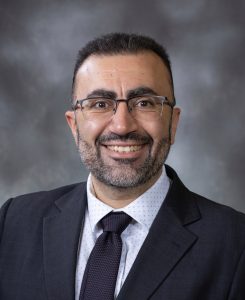
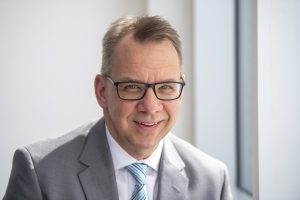
This fireside chat examines the current progress of the Impact Assessment for Canada’s Deep Geological Repository (DGR). Leadership from the NWMO and the IAAC will discuss the project’s milestones and next steps needed to move forward on this multi-decade project.
Speakers
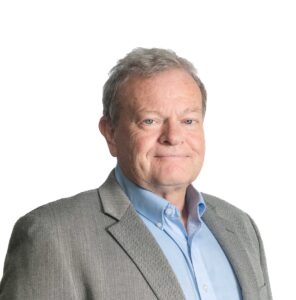
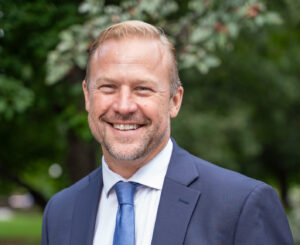
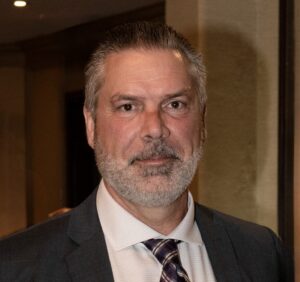
This panel will begin with a ten-minute TED Talk-style presentation by the Moderator on Indigenous engagement and key policy developments relating to Indigenous Peoples and the nuclear sector. Participants will share insights on building sustainable partnerships that respect Indigenous rights and support community priorities. This session serves as a forum for dialogue on the ongoing relationship between the nuclear sector and Indigenous communities across Canada.
Speakers
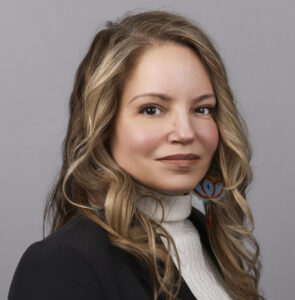
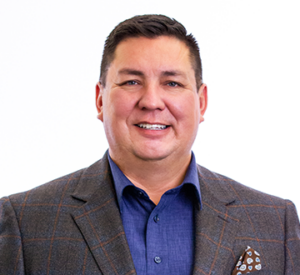

As nuclear projects grow in scale and complexity, success is increasingly shaped by how they are organized, governed, and contracted. This session explores how collaborative contracting and advanced project methods are reshaping outcomes on nuclear megaprojects by aligning the interests of owners, engineers, regulators, and labour. Using Canada’s Deep Geological Repository (DGR) program as a real-world reference, the Nuclear Waste Management Organization and PTAG discuss why delivery model choices are critical to the success of infrastructure.
The conversation centers on the principles that lead to a collaborative delivery framework, including early integration, shared governance, and joint risk management. Designed for a non-technical audience, the session opens and closes with live audience polling to gauge perspectives on delivery pressures and alignment challenges. Participants will gain a practical lens for rethinking how megaprojects can be delivered with greater predictability, resilience, and public confidence.
Speakers
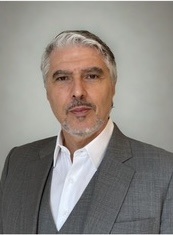
This session provides a strategic look at the evolving landscape of nuclear research and training through four “growth” institutions within the University Network of Excellence in Nuclear Engineering (UNENE).
As Canada aims to triple nuclear power by 2050, the University of Alberta, University of Saskatchewan, École Polytechnique de Montréal, and the University of New Brunswick are playing pivotal roles in diversifying R&D and talent pipelines. Each institution will detail its current capabilities and five-year vision, covering topics from SMR implementation in the North and nuclear security to workforce development and science diplomacy.
By identifying essential cross-sector collaborations, this session offers a closer look at the academic engine driving Canada’s nuclear future.
Speakers
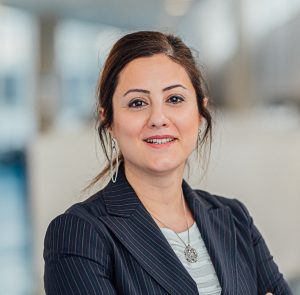
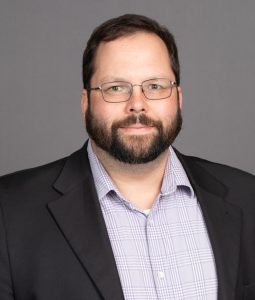
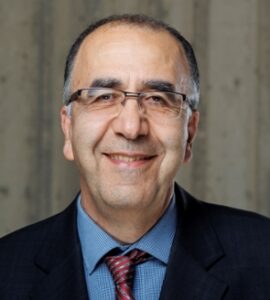
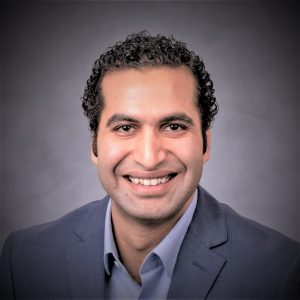
The President of the Canadian Nuclear Safety Commission (CNSC) will share perspectives on how the CNSC is modernizing its regulatory approaches to remain effective, transparent, and fit for today’s rapidly evolving nuclear landscape. Grounded in an unwavering commitment to safety, the discussion will explore how the regulator is responding to calls for greater regulatory efficiency—streamlining processes, improving clarity, leveraging international partnerships with likeminded regulators and focusing effort where it matters most—while maintaining public trust and strong oversight.
Speaker

Join us for lunch with your fellow conference attendees!
Don’t miss this opportunity to network, recharge, and get ready for the exciting sessions ahead. See you there!
The relationship between Artificial Intelligence and nuclear energy is increasingly significant for both the technology and energy sectors. As AI infrastructure expands, increasing global power demand, technology companies are looking to nuclear energy as a stable, low-carbon source of electricity. Simultaneously, AI tools are being applied within the nuclear industry to optimize lifecycle processes and enhance operational efficiency. This session examines the practical implications of this intersection, exploring the specific opportunities and challenges it creates by these converging industries.
Speakers
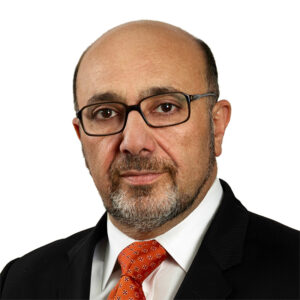

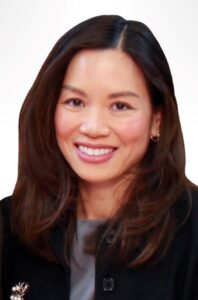
Canada has a unique opportunity to leverage its world-class infrastructure and well-established supply chain to meet the Canadian Nuclear Isotope Council’s “Isotopes for Hope” campaign goal of doubling medical isotope production by 2030. This session brings together experts from across the supply chain to discuss the interdisciplinary collaboration required to scale production for global cancer care. Panelists will examine the specific infrastructure and logistics needed to ensure reliable access to isotopes while maintaining energy security and project timelines. The discussion will also explore how a unified national strategy can support both healthcare outcomes and economic resilience within the nuclear ecosystem.
Speakers


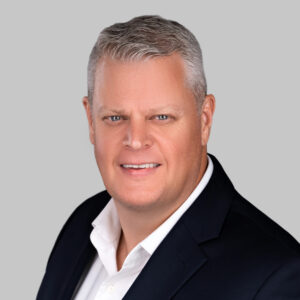
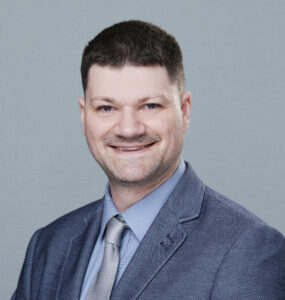
This fireside chat brings together Dr. Steven Murphy (President, Ontario Tech University) and the Honourable Todd Smith (Vice President, AtkinsRéalis) to examine how industry-academic partnerships enable the next phase of nuclear growth.
As global projects accelerate, from SMR deployments in Canada to new builds in Europe and Asia, workforce readiness has become as critical as capital and regulatory certainty. With a looming wave of retirements threatening knowledge continuity, this session explores how intentional partnerships function as essential workforce infrastructure.
The speakers will offer a practical roadmap for scaling talent, integrating AI for productivity, and sustaining Canada’s global leadership through a coordinated workforce strategy.
Speakers
This panel examines the evolving nuclear landscape from a Canadian perspective, alongside developments in Poland, Estonia, and Romania: three leaders in Central and Eastern Europe’s nuclear expansion.
Poland is pursuing one of Europe’s most ambitious build-outs, Estonia is advancing a first-of-a-kind program centered on SMR deployment, and Romania is advancing SMRs while building on its CANDU experience.
The discussion will also explore how geopolitics is shaping nuclear decisions, from supply chains to financing. Finally, it will compare how these countries are managing risks to accelerate deployment in a competitive global market.
Speakers
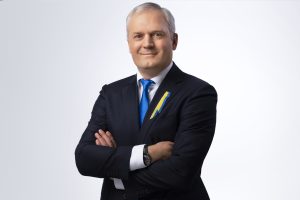
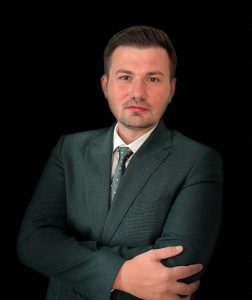
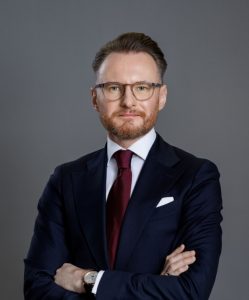
This session examines the coordinated efforts required among government, industry, academia, and Indigenous groups to implement the CNA’s MADE for Nuclear Workforce, a strategy that rests on four pillars
- Mobility
- Attraction and retention
- Diversity, equity, and inclusion
- Education
Panellists will address current hurdles to workforce development and share successful approaches used in other jurisdictions to support sustainable growth. The conversation will also explore practical plans to maintain workforce capacity and expertise throughout the entire project lifecycle.
Speakers
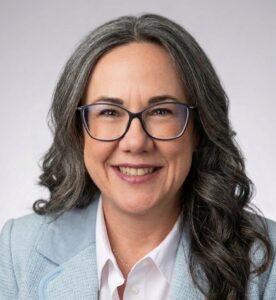


Canada’s nuclear future depends on scaling innovations being developed and demonstrated globally. This session explores how strategic international partnerships among governments, regulators, and utilities can accelerate innovation while reducing domestic deployment risks. The discussion highlights Canada’s unique first-mover advantages, such as world-leading expertise in tritium management, which positions the nation to enable international fusion projects and emerging supply chains.
Through practical examples, including Canada–Romania collaborations and recent technology tours of China and South Korea, speakers will examine how operators are adopting advanced solutions across CANDU and SMR platforms. The session identifies concrete mechanisms for translating global innovation into Canadian projects while maintaining safety and sovereignty. By focusing on policy alignment and regulatory cooperation, the panel will outline how Canada can better absorb global advancements to strengthen its domestic nuclear ecosystem.
Speakers
Canada is in an unprecedented period of nuclear activity, where new development, life extension, and long-term waste management are converging. The choices made in this decade will shape relationships and public confidence for generations, marking a critical “heavy lifting” moment for today’s leaders. This panel is designed for practitioners navigating the integration of Indigenous laws, governance, and knowledge systems into projects within the existing regulatory context.
Panelists will share practical approaches that move beyond simple engagement and into rights-aware project systems, including governance structures and implementation accountability. The discussion explores integration points across the full nuclear lifecycle, from site selection and construction to decommissioning and long-term stewardship. Attendees will leave with practical design patterns that utilities and suppliers can apply to strengthen legitimacy, reduce conflict, and support durable partnerships.
Speakers


Enjoy light refreshments while networking with fellow attendees, speakers, and exhibitors. Take the opportunity to explore the tradeshow floor and continue the discussions sparked during the conference sessions.
This session honours the legacy of Frank Saunders by recognizing post-secondary students who exemplify high standards of excellence and leadership in the nuclear sector. Industry representatives will present these annual awards to recipients who have demonstrated a commitment to innovation and to advancing the industry. Sponsored by Bruce Power and the Nuclear Innovation Institute, these prestigious awards will be given annually to five deserving students.
Sponsors


What if a nuclear project didn’t hinge on a single customer, a single balance sheet, or a single political bet? This session explores a new multi-customer commercial framework for scalable SMR deployment designed around shared capital risk and modular growth. By serving a diverse portfolio, including utilities, AI data centers, and industrial heat users, this model distributes risk across private industry and government partners.
The discussion reframes SMRs as strategic infrastructure rather than single-purpose assets, creating a credible pathway to energy security while preserving optionality. Modular reactors allow capacity to scale alongside demand, turning AI-driven energy needs into a strategic feature rather than a liability. This session examines how a “multi-benefit” approach lowers risk, streamlines deployment, and makes nuclear projects a more investable reality for a decarbonized future.
Speakers
Canada’s nuclear ambitions are clear, but the question remains whether the West can fuel them. This session explores readiness, risks, and the supply chain decisions that will define the next decade for both SMRs and large-scale builds. The discussion is particularly timely as Canada moves from planning to execution across multiple reactor technologies and jurisdictions.
Panelists will examine Western fuel availability, alignment with project deployment timelines, and opportunities to strengthen domestic and allied supply chains. Attendees will gain insight into potential supply risks and the cross-sector collaborations needed to ensure fuel availability does not become a constraint to nuclear growth. This session provides a critical look at the actions required today to secure the fuel cycle for Canada’s long-term energy strategy.
Speakers



While nuclear technology is specialized, the majority of the work required for new projects involves civil engineering and construction skills common to all large-scale infrastructure. This panel, featuring leaders from major construction firms, explores the critical role of non-nuclear trades and the growing demand for these skills nationwide. The discussion will focus on how Canada can secure the labour and expertise necessary to deliver nuclear facilities alongside other national infrastructure priorities. Panellists will also address strategies for building a robust, versatile workforce capable of supporting the next generation of industrial projects.
Speakers


Advancing new nuclear development in Canada requires a model that balances risk, enables private investment, and provides long term certainty for ratepayers. This session brings together system operator, private operator, and financial institution leaders to explore how public and private capital can work together to support new nuclear projects.
Drawing on real-world experience from major Canadian and international projects, the panel will examine emerging approaches to revenue backstopping, credit support, and risk allocation. From lessons learned through Ontario’s ARBPRIA structure to insights from recent global financings, this discussion will highlight what capital providers need, what governments must consider, and what developers require to advance projects responsibly.
Speakers

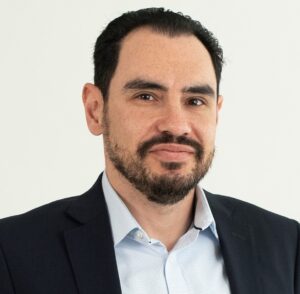
To achieve the “Power and Progress” necessary for Canada’s energy future, the nuclear industry requires a supply chain that is both technically capable and socially inclusive. This session offers a strategic case study on Saskatchewan’s unified approach to Small Modular Reactor (SMR) readiness. Moving beyond theory, the presentation shares concrete findings on the province’s current state of readiness through a unique partnership between the First Nations Natural Resources Centre of Excellence, the Saskatchewan Industrial and Mining Suppliers’ Association (SIMSA), and March Consulting Associates.
Attendees will discover a verified value proposition: a pre-vetted supply chain that offers necessary redundancy to Ontario’s nuclear hub while satisfying Indigenous procurement targets. The discussion highlights First Nations equity and participation as key enablers of project success, providing a roadmap for authentic partnership and economic reconciliation.
Speakers
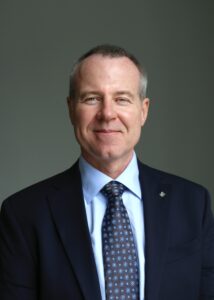
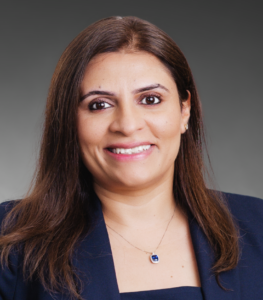
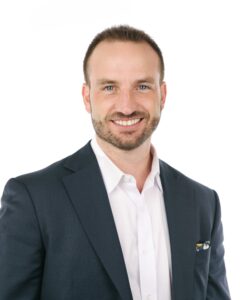

This session will explore how Canada can exercise global leadership in a tightening nuclear fuel landscape and how policymakers and industry can prepare ahead of deployment timelines. Panellists will examine Canada’s position within integrated North American and allied fuel systems, including emerging constraints around enrichment capacity and HALEU availability, and discuss how fuel considerations are influencing real-world project planning for microreactors and SMRs in Canada.
The discussion will focus on what signals developers and utilities need from policy, where Canada has leverage to strengthen supply chain resilience, and how coordinated action can support timely deployment while upholding non-proliferation commitments and reinforcing Canada’s role as a reliable, long-term nuclear partner.
Speakers
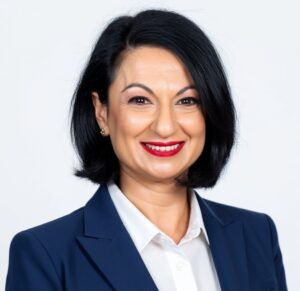
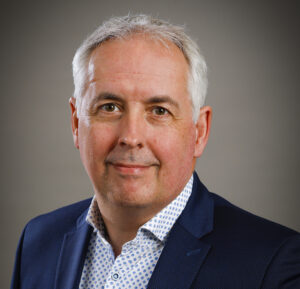
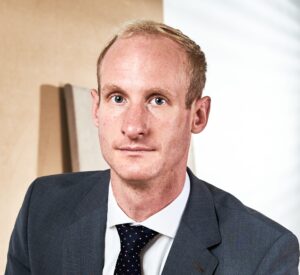
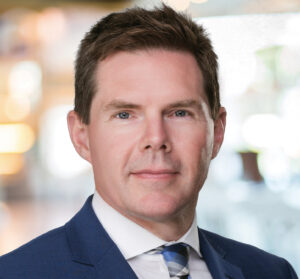
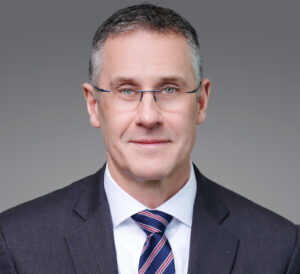
Drawing on decades of success in building, operating, and refurbishing one of the world’s largest nuclear fleets, Ontario offers a proven model for national expansion. This fireside chat brings together industry leaders to explore how Ontario’s experience can inform a Pan-Canadian approach to large-scale nuclear projects.
The conversation will examine the drivers behind Ontario’s schedule certainty, cost management, and robust supply chain development. By analyzing the governance and regulatory coordination that enabled major life-extension programs, the session identifies how these lessons can be adapted by other provinces.
With a focus on practical insights, speakers will provide a grounded perspective on leveraging Ontario’s leadership to scale large nuclear capacity across Canada.
Speakers
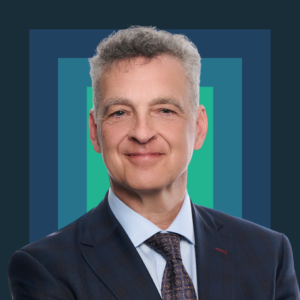
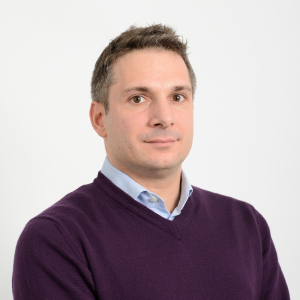
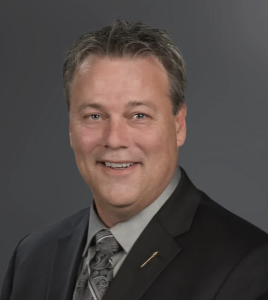

Western Canada is entering a consequential phase in nuclear development as rising demand and decarbonization goals drive the consideration of firm, clean generation. In regions without existing nuclear facilities, the core challenge is not explaining reactor technology but building the conditions for durable confidence through clear processes and respectful Indigenous engagement. This session uses the Peace River Nuclear Power Project as a case study of a first-of-a-kind nuclear project in the West.
The discussion focuses on the human, governance, and policy dimensions that determine whether nuclear can deliver long-term community resilience and prosperity. Speakers from Energy Alberta and Indigenous leadership will share practical lessons on communicating through uncertainty and aligning local readiness with long-lived infrastructure. By navigating provincial realities as nuclear frameworks develop in parallel with project progression, this session explores how regional and federal dynamics shape public expectations and trust.
Speakers

Wrap up an exciting day with a wonderful reception to commemorate another successful year at the CNA2026 Tradeshow. It’s more than just unwinding; it’s about connecting with industry leaders, exhibitors, and fellow attendees in a fun and informal setting. Enjoy great music, food, and drinks while continuing conversations, forging new partnerships, and celebrating the day’s achievements.
Kick off the second day of the conference with an energizing complimentary breakfast! Join us for fresh coffee, delicious pastries, and a variety of nutritious options. It’s a perfect way to fuel your day before diving into another round of insightful sessions and exciting networking opportunities. Don’t miss this chance to connect and recharge!
Step onto the floor to explore new technologies, meet leading companies, and connect with experts from across the nuclear supply chain. Discover the innovations shaping Canada’s clean energy future—don’t miss it!
As energy and national security concerns rise, the outlook for nuclear power has never been brighter. In this fireside chat, Cameco CEO Tim Gitzel will discuss the role Cameco’s uranium fuel and reactor technologies are playing in addressing surging power demand at home and around the world, and the steps Canada can take right now to affirm its role as a global nuclear energy leader in the future.
Speaker

Public acceptance and political viability of nuclear energy depend more on the quality of listening than the volume of messaging. This keynote introduces new research commissioned for CNA2026, offering an evidence-based view into how Canadians and policymakers engage with nuclear energy today. Analyzing millions of digital and social media interactions, the research reflects real-world behaviour rather than survey responses, surfacing the genuine concerns and priorities that drive support or resistance.
Key insights include macro dynamics, such as how nuclear aligns with affordability and climate urgency, and use-case differentiation across electricity, medical isotopes, and industrial applications. The study also identifies the credible voices shaping opinion and maps perspectives by region and language. With analysis spanning English, French, and minority languages (including Mandarin, Punjabi, Spanish, and Arabic) alongside dedicated insights into Indigenous conversations, this keynote provides a data-driven baseline to challenge assumptions and anchor the conference debates.
Speaker
Public attitudes are a critical factor in shaping how nuclear energy is perceived and ultimately accepted. In this fireside chat, moderated by a public opinion expert, a leader in public engagement and community relations will share how they are adapting their programs and strategies to reflect the public’s evolving views on nuclear energy.
Speakers

As Canada’s nuclear industry expands, domestic supplier capacity is a strategic enabler of economic resilience and project reliability. This interactive workshop, convened by Amelia Alliance and the Organization of Canadian Nuclear Industries (OCNI), introduces “Supplier Capacity by Design”, a systematic approach to shaping supplier readiness well before contracts are issued. Moving beyond simple procurement transactions, the session focuses on how underutilized Canadian capacity, including women-owned, Indigenous, and regional businesses, can be mobilized through intentional, upstream planning.
The workshop builds on the WiN Canada-funded National Study: Advancing Women+ Owned Businesses in Canada’s Nuclear Supply Chain. It features moderated capability spotlights from diverse OCNI members to illustrate existing domestic strength, followed by a live, anonymized industry pulse check. Participants will collaboratively identify priority gaps and practical actions to strengthen participation across the sector, ensuring a robust and inclusive supply chain for Canada’s nuclear future.
Speakers




This session explores a landmark partnership between the Saugeen Ojibway Nation (SON) and Bruce Power, supported by the Building Ontario Fund. As a model of reconciliation in practice, this collaboration advances Indigenous economic self-determination through meaningful participation in a major energy and health innovation project. The partnership represents a shift toward Indigenous-led participation in revenue-generating infrastructure, demonstrating how shared ownership and benefit drive lasting community impact.
The conversation highlights how the partnership was designed using the SON First Guiding Principles to safeguard community benefits and build generational wealth. Tied to the global isotope market, this initiative advances cancer treatment while reinforcing Ontario’s leadership in medical isotope production. Attendees will gain insight into how this stable revenue stream strengthens economic reconciliation and supports long-term community health.
Speakers

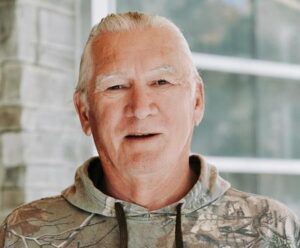

As Canada prepares for significant growth in the nuclear sector, unions are essential to developing and maintaining the skilled workforce needed. This panel brings together union leaders to discuss shared priorities for supporting nuclear projects and refurbishments at the local, provincial, and national levels. The conversation will focus on strategies to expand workforce capacity and ensure workers are equipped for the long-term opportunities ahead. Panellists will also explore the role of organized labour in advocating for sustainable jobs that support community stability and industry growth.
Speakers
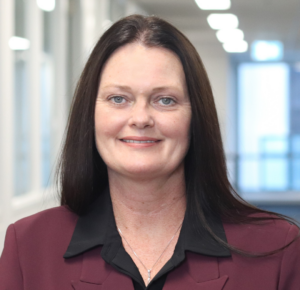
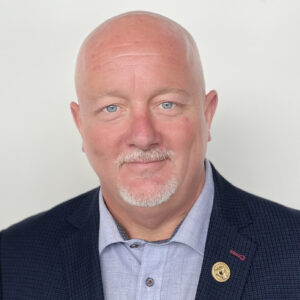
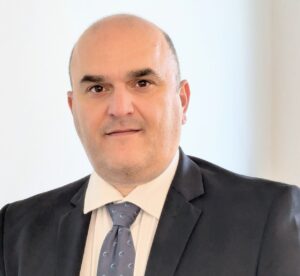
Take a moment to refresh and refuel during our morning break, featuring a selection of coffee, tea, and light refreshments. It’s the perfect opportunity to relax, network, and prepare for the next sessions ahead.
The nuclear industry faces an urgent need to cultivate diverse talent pipelines, particularly in operations and certified control room positions where women remain underrepresented. Ontario Power Generation is addressing this gap through its Bridging the Gap (BTG) initiative, a cornerstone of its equity and inclusion strategy. The BTG Prep Program is a learner-driven experience designed to prepare women for licensed roles, aiming to achieve a 30% selection rate for certified positions by late 2026.
This presentation showcases the program’s three-to-six-month curriculum, which combines simulator-based training, virtual learning, and mentorship to equip participants with technical skills and professional confidence. Attendees will explore the program’s design, measurable results, and practical strategies for advancing diversity in nuclear operations. The session offers actionable insights on how organizations can implement similar mentorship and engagement models to drive lasting industry change.
Speakers



Canada is facing unprecedented challenges as climate extremes, technological disruption, and economic pressures stretch traditional policy tools to their limits.This talk highlights a powerful yet often overlooked instrument that has shaped safety and innovation for over a century: standards. Frequently described as the “invisible infrastructure of governance,” standards provide the evidence-based backbone that policymakers and businesses rely on to navigate complexity and uncertainty.
Drawing on insights from CSA Group’s Public Policy Centre, the session explores how standards offer faster, inclusive, and future-ready pathways to impact. Case studies in climate-resilient infrastructure, nuclear safety, and pandemic response illustrate how standards democratize expertise and accelerate regulatory responsiveness while maintaining accountability.
Attendees will leave with a reframed understanding of standards, not as technical footnotes but as agile policy instruments essential to national consistency, energy security, and public confidence.
Speaker

Nuclear projects present unique financial profiles, requiring robust frameworks to manage risks during the pre-construction and construction phases. This session evaluates various international financing models, including Contracts for Difference (CfD), Regulated Asset Base (RAB), and the Mankala framework, to determine their suitability within the Canadian context. Panelists will discuss the complexities of provincial energy markets and the differing approaches required for Crown Corporations versus private entities. The conversation aims to identify current successes in Canadian infrastructure finance and the improvements needed to support a large-scale nuclear buildout.
Speakers

While much of the nuclear conversation focuses on technology and capital, the success of major projects ultimately depends on the people delivering them. This session presents a skilled trades-led case study examining how workforce readiness, training investment, and safety culture directly influence project outcomes. Drawing on real-world experiences from major Canadian builds, the presentation explores the critical intersections of schedule pressure, labour availability, and safety expectations.
Rather than a traditional panel, this session features a guided scenario exercise. Participants will navigate key decision points faced by project leaders and labour partners, reflecting on the downstream impacts of prioritizing workforce engagement. Designed for a non-technical audience, the discussion highlights how stable training pipelines and respect for skilled professionalism strengthen project certainty and public confidence.
Speakers
As Canada enters a new era of nuclear energy driven by decarbonization and AI-enabled demand, Indigenous and public confidence remain a defining factor for project success. This presentation explores how the remediation of historic radioactive waste in Port Hope, Ontario, has become a critical foundation for the country’s nuclear future. Through the Port Hope Area Initiative, environmental liabilities are being addressed and communities restored in partnership with municipal and Indigenous leaders.
Drawing on real-world experience, the talk reframes remediation as a strategic enabler rather than a legacy obligation. It demonstrates how transparent cleanup and long-term stewardship directly support the social license required for future projects, particularly in regions where new generation is planned. The Port Hope experience offers a compelling case study: public trust in the future of nuclear energy is built on how the industry takes responsibility for its past.
Speaker
This panel brings together energy ministers from across Canada to discuss the strategic role of nuclear power within their respective provincial energy mixes. The conversation will focus on the unique challenges and opportunities faced by different jurisdictions as they work to meet increasing electricity demand and decarbonization goals. Ministers will share insights on the importance of inter-provincial cooperation and the policy frameworks needed to support the deployment of both large-scale and small modular reactors. This session offers a high-level look at the political and economic drivers shaping the future of nuclear energy in Canada.
Speakers
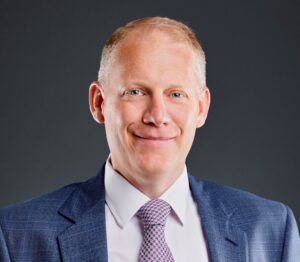


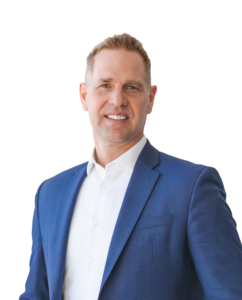
We bring CNA2026 to a close with a thank you to the speakers, sponsors, and delegates whose participation made the conference a success. The address will offer a brief reflection on the shared dialogue of the past few days and a final moment of appreciation as we conclude our time together.
Speaker
Wrap up the conference on a high note with a delightful End-of-Conference luncheon! Enjoy a delicious meal, reflect on key takeaways, and connect with fellow attendees one last time before we part ways.